
What if the very act of eating becomes a struggle for your loved one?
Key Takeaways
- Learn to identify the warning signs when poor oral intake becomes a medical emergency requiring immediate intervention at home.
- Discover why IV drip for poor oral intake delivers 100% bioavailability compared to only 20-50% absorption from oral supplements.
- Master the 24-hour rule and other critical indicators that signal when your loved one needs professional hydration support.
- Access MyHomeDoc’s seamless home-based IV therapy service across Kuala Lumpur, eliminating stressful hospital visits during vulnerable moments.
- Transform your home into a recovery sanctuary with integrated medical care that bridges hospital expertise and domestic comfort.
Understanding the Risks of Poor Oral Intake
Poor oral intake refers to the inability to consume sufficient fluids or nutrients through normal eating and drinking. This condition poses serious health risks, particularly for vulnerable populations such as elderly patients, those recovering from surgery, or individuals managing chronic illnesses. When someone can’t maintain adequate nutrition and hydration through oral means, their body quickly begins to suffer from cascading health complications.
The causes of poor oral intake are diverse and often interconnected. Post-surgical patients frequently experience nausea, reduced appetite, or difficulty swallowing, which can all prevent normal fluid consumption. Additionally, certain medical conditions may further exacerbate these challenges, leading to a significant decline in overall health.
IV Drip vs. Oral Intake: The Science of Absorption
When it comes to hydration, understanding the differences between intravenous (IV) fluids and oral intake is crucial. IV fluids offer a remarkable 100% bioavailability, meaning your body can utilize all of it effectively. In contrast, oral intake typically has a bioavailability of only 20-50%. This discrepancy is especially significant for those requiring an iv drip for poor oral intake, as the efficiency of IV hydration can dramatically improve clinical outcomes.
The concept of the First-Pass Effect plays a key role here. This phenomenon occurs when substances taken orally pass through the liver before entering systemic circulation, potentially diminishing their effectiveness. IV therapy bypasses this step entirely, allowing for immediate absorption into the bloodstream. This rapid delivery leads to a swift clinical response, essential for patients who may be dehydrated or unable to maintain adequate hydration through regular means.
Electrolytes are vital in restoring cellular balance, particularly during dehydration. An IV drip can replenish essential minerals like sodium, potassium, and magnesium almost instantaneously, which is critical for nerve function and muscle contractions.
Bypassing the Gastrointestinal (GI) Tract
IV therapy is the gold standard for patients facing issues such as malabsorption or vomiting. By delivering fluids directly into the bloodstream, it provides necessary hydration without putting stress on the digestive system. This approach allows your body to focus on healing rather than struggling to process what you consume orally.
The Role of IV Vitamins and Minerals
Beyond hydration, IV drips can also include a blend of vitamins and minerals tailored to your needs. Specific micronutrients, such as Vitamin C and B vitamins, can significantly aid in faster recovery, particularly for those recently discharged from the hospital. The “smart kit” approach allows for custom-blended hydration, ensuring you receive the precise nutrients required for your recovery.
In situations where dehydration is severe, oral rehydration may not suffice; this is where resources like the clinical guidelines on dehydration from the NIH can provide valuable insights. Understanding your unique hydration needs is essential, and an IV drip could be the solution you’re looking for. For more information on personalized hydration solutions, visit MyHomeDoc.
When to Arrange an IV Drip at Home in the Klang Valley
Recognizing when your body needs immediate fluid support can be the difference between quick recovery and extended illness.
MyHomeDoc: Your Integrated Partner for Home Hydration
When poor oral intake becomes a concern for your loved ones, you shouldn’t have to choose between hospital-grade care and the comfort of home.
Take Action for Better Health at Home
When poor oral intake threatens your loved one’s wellbeing, swift intervention makes all the difference. We’ve explored how dehydration can escalate within 24-48 hours, why IV therapy delivers 100% bioavailability compared to oral supplements’ 20-30% absorption rate, and when home-based treatment becomes the safest option for vulnerable patients across the Klang Valley.
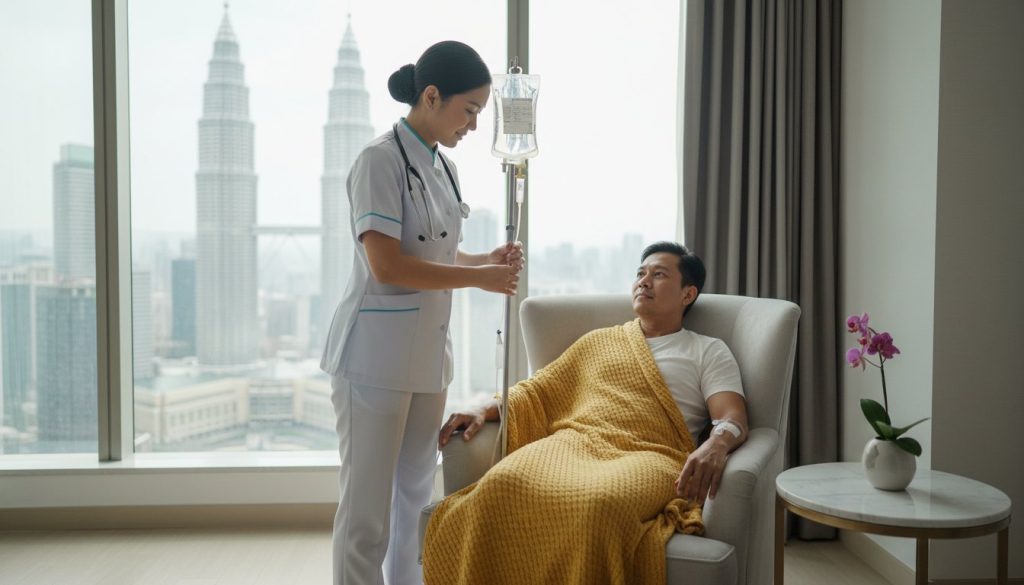
The choice between hospital visits and professional home care shouldn’t be complicated. An iv drip for poor oral intake administered in familiar surroundings reduces stress while ensuring optimal hydration levels. Your home becomes the ideal recovery environment when equipped with the right medical expertise.
MyHomeDoc has completed thousands of successful home visits since 2018, bringing licensed GPs and comprehensive bedside diagnostic tools directly to families throughout Kuala Lumpur and surrounding areas. Our integrated approach transforms your living room into a fully-equipped medical facility without the institutional atmosphere.
Don’t wait for dehydration to worsen. Book a professional GP house call for IV therapy today and experience healthcare that adapts to your family’s needs, not the other way around.
Frequently Asked Questions
Is an IV drip for poor oral intake safe for elderly patients at home?
Yes, an IV drip for poor oral intake is generally safe for elderly patients when administered at home. Trained healthcare professionals ensure that the process is closely monitored, minimizing risks. However, it’s essential to consult with a doctor to assess individual health conditions, as some elderly patients may have underlying issues that require special attention.
How long does a home IV hydration session typically take?
A home IV hydration session typically takes between 30 minutes to 2 hours, depending on the type and volume of fluids administered. Factors such as the patient’s overall health and specific hydration needs can also influence the duration. Your healthcare provider will give you a more accurate estimate based on these considerations.
Can an IV drip replace food for a patient who cannot swallow?
No, an IV drip cannot entirely replace food for a patient who cannot swallow. While IV drips provide essential hydration and some nutrients, they do not offer the complete range of vitamins, minerals, and caloric intake that solid food provides. It’s important to seek a comprehensive nutrition plan that includes oral or alternative feeding methods if necessary.
Do I need a doctor’s prescription for a home IV drip in Malaysia?
Yes, a doctor’s prescription is required for a home IV drip in Malaysia. This ensures that the treatment is appropriate for the patient’s condition and that safety protocols are followed. Consult your healthcare provider to discuss the need for IV hydration and obtain the necessary prescription.
What are the signs that my loved one in KL needs an IV drip immediately?
Signs that your loved one may need an IV drip immediately include severe dehydration symptoms like extreme thirst, dry mouth, dizziness, or confusion. Additional indicators include inability to keep fluids down or a sudden decline in energy levels. If you notice any of these symptoms, it’s crucial to seek medical attention promptly.