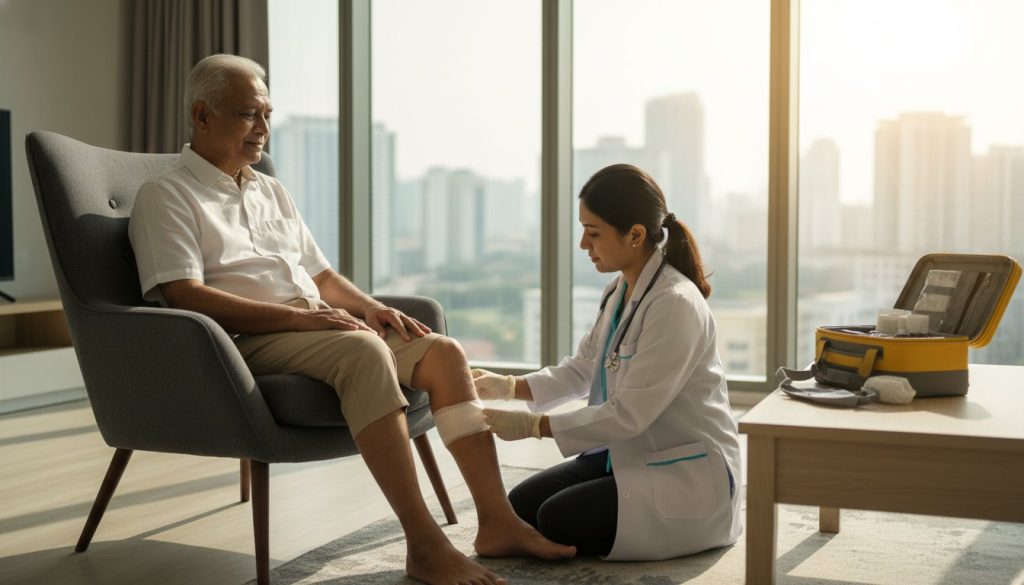
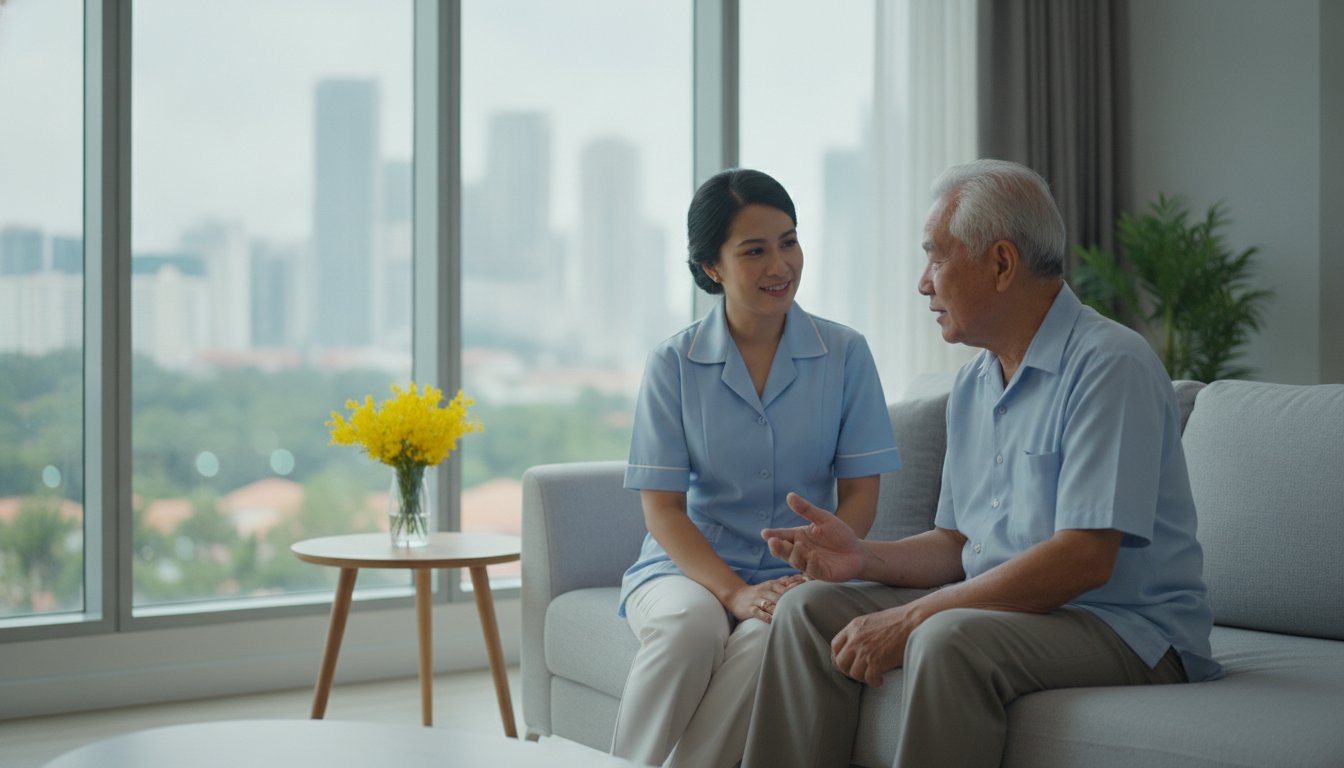
You’ve spent the last hour trying to navigate the gridlock on the Federal Highway, all while your loved one grows increasingly agitated in the backseat. It’s a scene many families in Kuala Lumpur know too well. Caring for a parent with memory loss is an act of love, but the constant fear of a fall or a wandering episode can leave you feeling emotionally depleted. You shouldn’t have to choose between your own mental health and their safety. Finding a qualified home health aide for dementia patients in Selangor is no longer just about hiring a companion; it’s about securing a clinical partner who understands the complex medical needs of this condition.
We believe that your home is a sanctuary, not a hospital ward. That’s why we’re redefining how families manage cognitive decline by bringing professional medical monitoring directly to your doorstep. You’ll discover how a medically-led approach ensures a safe environment while eliminating the stress of frequent clinic trips. This guide explores the essential role of specialized aides in 2026, the benefits of home-based clinical support, and how you can finally regain your peace of mind while your loved one ages with dignity in familiar surroundings.
Key Takeaways
- Understand why a specialized home health aide for dementia patients provides critical clinical monitoring that standard domestic helpers cannot offer.
- Learn how to accurately assess the need for skilled nursing versus companion care based on your loved one’s specific stage of memory loss.
- Discover why local language proficiency is essential for building trust and ensuring emotional security within the diverse KL and Selangor community.
- Explore how a medically-led care model bridges the gap between complex diagnostics and everyday life, reducing the need for stressful hospital visits.
- Identify the specific safety protocols and professional monitoring tools that transform your home into a secure environment for aging in place.
What is a Home Health Aide for Dementia Patients?
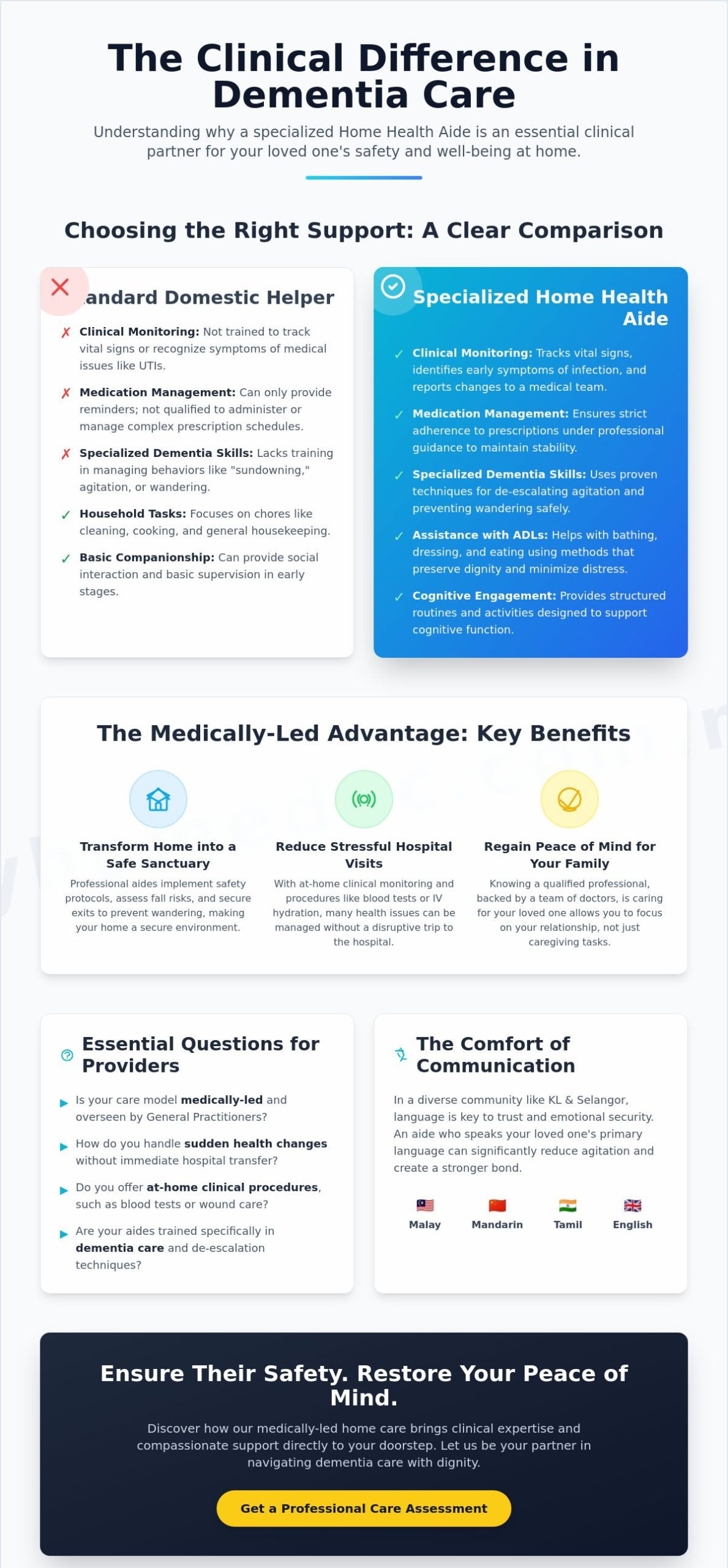
Many families in KL and Selangor initially think of home care as simple companionship or basic supervision. However, a home health aide for dementia patients is a skilled professional who blends clinical oversight with compassionate cognitive support. Unlike a domestic helper who focuses on household chores, a clinical aide is trained in the nuances of neurological decline. They act as a bridge between the doctor’s office and your living room, ensuring that medical protocols are followed in a domestic setting.
Dementia home care is a specialized service that balances physical safety with cognitive engagement while keeping the patient in a familiar environment. This distinction is vital because memory loss often comes with complex behavioral shifts. Professional Dementia caregiving requires specific training to manage “sundowning,” a period of increased confusion and agitation that typically occurs in the late afternoon. Without clinical insight, these episodes can quickly become overwhelming for family members.
Key Responsibilities of a Professional Aide
A professional aide does more than just watch over your loved one. Their role is active and clinical, focusing on maintaining stability through structured routines. Key duties include:
- Medication management: Ensuring exact adherence to prescriptions under professional guidance to prevent adverse reactions.
- Assistance with ADLs: Helping with bathing, dressing, and eating using techniques that minimize distress for those with memory loss.
- Clinical monitoring: Tracking vital signs and identifying early symptoms of infections, such as UTIs, which often trigger sudden cognitive decline in elderly patients.
Why Specialized Training Matters in 2026
As we move through 2026, the complexity of dementia care continues to evolve. It’s no longer enough to just keep someone safe; we must focus on their quality of life. A trained home health aide for dementia patients understands the specific progression of Alzheimer’s and other dementia types. They utilize proven techniques for de-escalating agitation and preventing wandering without resorting to restrictive measures. This expertise transforms the home into a secure, therapeutic space where your loved one feels understood rather than managed.
Choosing the Right Home Support in KL and Selangor
Selecting a care provider in the Klang Valley requires looking beyond a basic resume. You need to match the level of support to your loved one’s specific stage of memory loss. Early-stage patients might thrive with companion care focused on cognitive engagement. However, as the condition progresses, a medically-led home health aide for dementia patients becomes essential to manage physical health alongside cognitive decline. This approach Elevates Dementia Care at Home by ensuring that clinical expertise is always within reach.
Language is more than just communication; it’s a source of comfort. In a multicultural hub like KL, ensuring your aide speaks the patient’s primary language, whether it’s Malay, Mandarin, Tamil, or English, can significantly reduce agitation. When a patient feels understood, they feel safe. This safety extends to the physical environment too. A professional assessment should evaluate your home for fall risks and secure exits to prevent wandering, which are common concerns in high-rise condos and landed properties across Selangor. If you’re unsure where to start, our team can help you coordinate a GP house call to assess your loved one’s current needs.
Essential Questions for Service Providers
When interviewing agencies, don’t hesitate to ask about their clinical depth. You want to know if they provide house call doctor kuala lumpur services for non-emergency illnesses. Ask how they handle sudden changes in behavior or health without immediately resorting to a traumatic hospital transfer. A high-quality provider will offer bedside clinical procedures, such as blood tests or IV hydration, to keep your loved one stable in their own bed.
Evaluating Clinical Oversight
Your aide shouldn’t work in isolation. Real peace of mind comes from knowing they are backed by a team of General Practitioners and Specialists who oversee the care plan. For those requiring advanced wound care or palliative support, look for comprehensive home nursing services selangor. This integrated model ensures that as your family’s needs change, the level of professional care scales with you.
How MyHomeDoc Elevates Dementia Care at Home
At MyHomeDoc, we believe your home is the best place for healing. Our care model pairs high-tech clinical monitoring with domestic warmth, ensuring that your home health aide for dementia patients isn’t just an observer but an active participant in your loved one’s wellness journey. We provide a safety net of 24/7 medical attention for those unpredictable, non-emergency complications that often arise with memory loss. By choosing this path, you’re following the best practices highlighted in the National Institute on Aging guide to home care, which emphasizes the value of professional clinical support in a residential setting.
We act as a vital bridge between the hospital and the household. Instead of navigating KL traffic for routine check-ups, you can access comprehensive at-home health services that bring the clinic to you. Whether it’s a routine vaccination or a necessary blood test, these procedures are handled with empathy, keeping your loved one away from sterile, confusing hospital environments that often trigger anxiety.
Comprehensive Medical Support
Managing dementia requires a multi-layered approach that adapts to the patient’s daily needs. Our team coordinates everything from medication delivery to your doorstep in Selangor to bedside laboratory investigations. This ensures your home health aide for dementia patients has the data they need to monitor health shifts in real-time. We also integrate physiotherapy at home to help maintain mobility, which is a crucial factor in reducing fall risks and maintaining independence for as long as possible.
Palliative and End-of-Life Support
For families facing the advanced stages of memory loss, we provide compassionate palliative care at home malaysia. Our focus shifts to maximizing comfort and preserving dignity during these difficult transitions. We support the entire family, offering guidance and clinical expertise to ensure your loved one remains in a peaceful, familiar environment, surrounded by the people they love most.
Empowering Your Family with Clinical Support at Home
Caring for a loved one with memory loss doesn’t have to be a journey you walk alone. You’ve seen how a dedicated home health aide for dementia patients provides more than just supervision; they offer a clinical safety net that allows your parent to age with dignity in a familiar setting. By prioritizing professional monitoring and domestic comfort, you significantly reduce the risks of wandering and the exhaustion of frequent clinic visits in heavy KL traffic.
Since 2018, we’ve been serving families across KL and Selangor by bringing high-quality medical care directly to the doorstep. With qualified GPs and Specialists on call, along with the convenience of medication delivery and bedside lab tests, we ensure your loved one’s health is managed with precision and warmth. It’s time to transform your home into a place of security and professional care. Book a Professional Medical Consultation for Your Loved One today and let’s build a supportive path forward together. Your peace of mind is just a conversation away.
Frequently Asked Questions
What is the difference between a caregiver and a home health aide for dementia?
The primary difference lies in clinical training and the level of medical oversight provided. While a general caregiver focuses on companionship and basic daily tasks, a home health aide for dementia patients is specifically trained to handle the cognitive and behavioral complexities of the condition. They work as part of a medical team to monitor health shifts and implement therapeutic routines that a standard caregiver isn’t equipped to manage.
Can a home health aide perform medical procedures like taking blood or changing tubes?
Yes, when the aide is a licensed nurse or part of a medically-led team, they can perform various clinical procedures at the bedside. This includes taking blood for lab investigations, managing wound care, and handling catheter or tube changes. This professional support ensures your loved one receives hospital-grade care without the stress and confusion of being moved to a different environment.
Is home care for dementia patients more affordable than a nursing home in Malaysia?
Affordability often comes down to the specific needs of the patient and the level of clinical support required. Home care provides a flexible alternative where you pay for personalized services rather than the high overhead costs of a residential facility. It also helps families avoid the indirect costs of medical inflation by preventing emergency hospital visits through consistent, professional monitoring in a domestic setting.
How do I know if my parent with dementia needs professional nursing care at home?
You should consider professional nursing if your parent shows signs of physical decline, such as frequent falls, unmanaged chronic illnesses, or difficulty swallowing medications. If behavioral changes like aggression or wandering become unsafe for family members to manage, it’s time for an expert. A home health aide for dementia patients provides the necessary clinical intervention to keep your parent safe while reducing the emotional burden on your family.