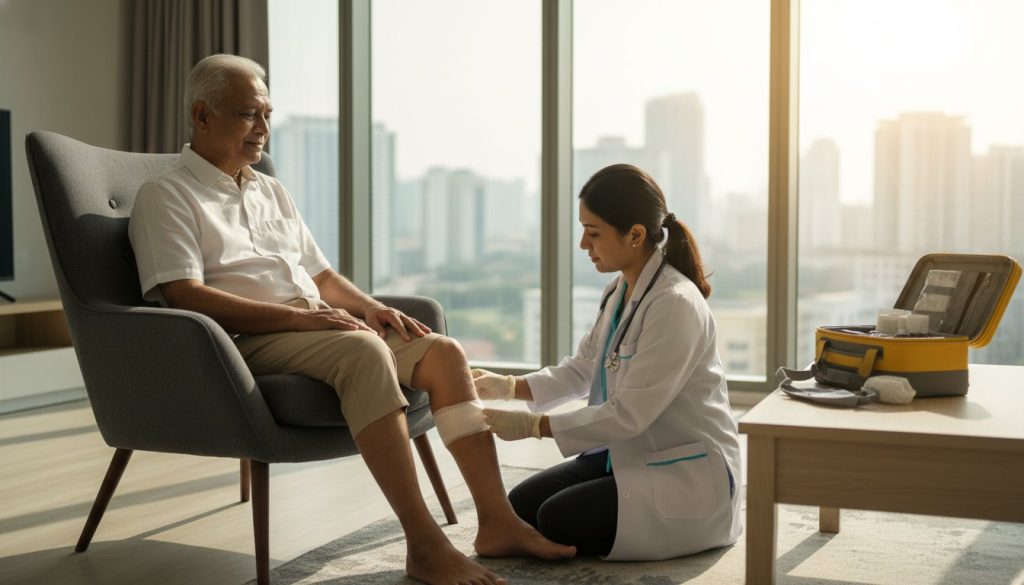

Did you know that 85.3% of Malaysian seniors are not aging healthily, often because the transition from hospital to home lacks the necessary clinical oversight? Bringing a family member back to their own environment in Kuala Lumpur or Selangor after an operation should be a time of relief. However, the reality is often filled with the stress of managing complex medication schedules and the constant fear of surgical wound infections. Effective home care for post surgery recovery requires more than just a comfortable bed; it demands a precise, hospital-grade strategy to prevent the common re-admission trap.
We understand that you want the best for your loved ones, but you shouldn’t have to feel like an untrained medic. It’s a collaborative journey where your home becomes the primary location for healing, supported by modern tools and professional expertise. This article provides a comprehensive 2026 checklist to ensure a safe, complication-free recovery. You’ll learn how to manage daily care routines and access essential services like wound dressing, physiotherapy, and GP house calls without the logistical hurdle of transporting a post-op patient. We’re here to provide a clear roadmap that bridges the gap between digital health tools and physical well-being.
Key Takeaways
- Learn how to transform your living space into a safe “Recovery Zone” by optimizing bed height and clearing pathways to prevent dangerous falls.
- Master the “Big Three” indicators for surgical wound inspection to identify potential complications before they become medical emergencies.
- Implement a step-by-step clinical roadmap for home care for post surgery recovery to ensure a safe, hospital-grade transition in your own environment.
- Identify the specific high-protein and fiber-rich nutritional requirements needed to accelerate tissue repair and manage common post-operative side effects.
- Find out how to access professional medical support, including medication delivery and specialist house calls, to manage the logistical hurdles of post-hospitalization care.
Phase 1: Preparing a Safe Recovery Environment at Home
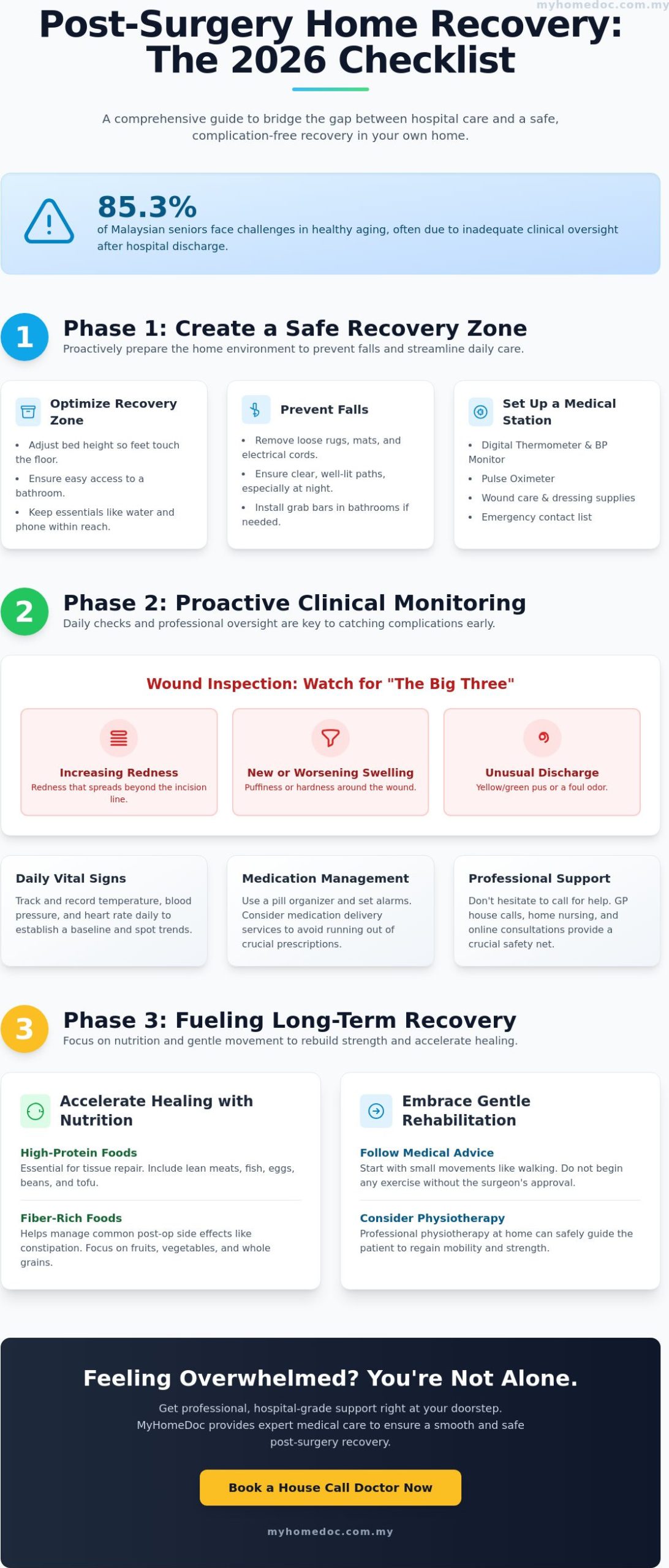
Effective Postoperative care begins long before your loved one leaves the hospital. Setting up your home correctly is the first step in ensuring a successful journey of home care for post surgery recovery. Start by clearing all pathways. Remove loose rugs, floor mats, and electrical cords that could cause a trip, especially if the patient is using a walker or crutches. For orthopaedic patients, even a small door sill can become a major hurdle.
Next, optimize the “Recovery Zone.” This is where the patient will spend most of their time. Ensure the bed is at a height where their feet touch the floor when sitting on the edge, making transfers to a chair or walker much safer. You should also stock a dedicated “Medical Station” nearby. This area needs to be organized and accessible, containing a thermometer, blood pressure monitor, and professional wound care & dressing supplies. Keeping these within arm’s reach reduces the need for unnecessary movement during the initial days of healing.
Essential Medical Equipment Checklist
Having the right tools makes health management intuitive and less stressful. You’ll need a pulse oximeter and a digital thermometer for daily vital sign monitoring. If the surgeon prescribed an incentive spirometer, keep it visible to remind the patient to practice deep breathing, which helps prevent post-op pneumonia. Don’t forget mobility aids like shower chairs or bedside commodes; these tools provide security and preserve dignity during the recovery process.
Home Safety and Hygiene Standards
In the Malaysian heat, maintaining a cool environment is vital to prevent wound irritation and sweat-related infections. Use air conditioning or fans to ensure adequate ventilation. Set up a sterile area for dressing changes in a quiet, well-lit part of the home away from high-traffic household zones. Finally, establish a clear communication plan. Post emergency numbers and your MyHomeDoc contact details on the fridge so every family member knows exactly who to call for professional support.
Phase 2: Clinical Management and Professional Monitoring
Clinical monitoring is where the journey of home care for post surgery recovery becomes truly hands-on. Every morning should start with a structured check of vital signs. Recording blood pressure, heart rate, and temperature provides a baseline that helps catch complications before they escalate. You should also perform a daily inspection of the surgical site, looking for “The Big Three”: increasing redness, new swelling, or unusual discharge. Following a detailed post-surgery checklist ensures no small detail is overlooked during these critical early days.
Managing medications is another logistical hurdle where precision is vital. Using a pill organizer helps, but you can also simplify the process with medication delivery to ensure you never run out of essential pain relief or antibiotics. For the most vulnerable period, typically the first 48 hours after discharge, scheduling a house call doctor in Kuala Lumpur provides the clinical security your family needs. It’s about creating a safety net that allows the patient to focus entirely on healing.
Managing Surgical Wounds and Drains
If the patient has surgical drains or catheters, hygiene protocols must be followed with clinical precision. Emptying fluids and cleaning the insertion sites requires a sterile touch to prevent infection. When dressing changes become complex or if you feel overwhelmed, accessing professional home nursing services in Selangor ensures the wound remains clean and protected. This expert support bridges the gap between hospital standards and domestic comfort.
The Role of GP House Calls in Preventing Re-admission
A physical assessment at home is far superior to a phone call. Doctors can identify subtle signs of sepsis or deep vein thrombosis (DVT) that a camera might miss. This level of professional oversight is a cornerstone of successful home care for post surgery recovery. For quicker needs, like script renewals or non-urgent symptom checks, online doctor Malaysia services offer an efficient bridge to care. If you’re unsure about a symptom, it’s always safer to request a professional evaluation in your own environment to ensure a complication-free recovery.
Phase 3: Rehabilitation and Long-Term Wellness Milestones
The final stage of home care for post surgery recovery shifts focus from clinical survival to long-term vitality. Progressive mobility is the cornerstone of this phase. You should implement a structured walking schedule, starting with short trips within the room and gradually increasing the distance. This movement is essential to improve circulation and prevent dangerous blood clots. Alongside movement, prioritize nutritional support. High-protein meals provide the building blocks for tissue repair, while fibre-rich foods are crucial for preventing the constipation often caused by post-operative pain medications.
Staying hydrated is equally vital, especially if the patient requires IV drip hydration therapy at home to maintain fluid balance during the initial weeks. You should track daily fluid intake to ensure the body can effectively flush out metabolic waste. Recovery isn’t just about what you see on the surface. Scheduled follow-up labs, such as blood tests and lab investigations performed in your own home, allow doctors to monitor inflammatory markers and organ function without the stress of clinic visits. This data-driven approach ensures the healing process remains on the right track.
At-Home Physiotherapy and Exercise
Professional physiotherapy at home during the first week is critical for regaining range of motion safely. A therapist provides the expertise needed to push physical boundaries without risking injury. Between these professional visits, encourage simple exercises like ankle pumps and deep breathing. These small, repetitive actions keep the blood flowing and the lungs clear, significantly reducing the risk of secondary complications.
Monitoring Psychological Well-being
Recovery is a mental journey as much as a physical one. Keep a close eye on signs of post-operative depression or “hospital delirium,” which is common in elderly patients. The domestic setting provides a unique advantage here. Recovering in a familiar environment, surrounded by family and personal comforts, significantly boosts cognitive health and emotional resilience. It turns a clinical process into a collaborative family journey. If you notice persistent mood changes, a specialist house call can provide the necessary mental health support to ensure a holistic recovery.
Empowering Your Recovery Journey at Home
Transitioning from a hospital ward to your own bedroom is a major milestone, but the success of that transition depends on the systems you put in place. By optimizing your recovery zone, maintaining strict clinical monitoring, and following a progressive rehabilitation plan, you transform your domestic setting into a powerful healing environment. This collaborative approach ensures that your loved one receives hospital-grade attention without the stress of clinic transfers or the fear of hidden complications. You don’t have to manage this journey alone.
Professional oversight is the essential safety net that prevents re-admission and ensures faster healing. Whether you need comprehensive wound care, medication delivery, or a specialist’s assessment, expert help is available right at your doorstep in the Klang Valley. We are here to act as your knowledgeable guide, bridging the gap between clinical diagnostics and your everyday life. Secure your peace of mind and ensure a safe, complication-free home care for post surgery recovery.
Book a Professional Post-Surgery House Call Today and connect with our qualified GPs and specialists serving Kuala Lumpur and Selangor. Our team provides comprehensive at-home nursing and wound care to support your family every step of the way. Your path to a full recovery starts with a single, intuitive step. You’ve got this, and we’re here to help.
Frequently Asked Questions
How do I know if a surgical wound is infected at home?
You can identify a potential infection by monitoring for spreading redness, localized heat, or yellow discharge around the incision. If the skin feels increasingly firm or if the patient develops a fever over 38°C, these are clinical indicators that require professional attention. Identifying these signs early is a vital part of home care for post surgery recovery. It allows for prompt intervention, such as a specialist house call, before a minor issue becomes a major complication.
Can a doctor visit me at home in KL for post-surgery follow-up?
Yes, you can book a General Practitioner (GP) or a Specialist house call for post-surgery follow-ups throughout Kuala Lumpur and Selangor. This service eliminates the physical stress and logistical hurdles of transporting a healing patient to a clinic. A doctor can perform physical examinations, review medication schedules, and provide expert guidance in the comfort of your own home. It’s a convenient way to maintain professional oversight without the fatigue of travel.
What are the red flags that mean I should call an ambulance?
Seek emergency medical attention immediately if the patient experiences sudden shortness of breath, chest pain, or uncontrollable bleeding. Other critical red flags include a sudden change in mental status, like extreme confusion, or an inability to wake the patient. While we provide professional home care for post surgery recovery, these acute symptoms require the specialized equipment and rapid transport only found in a hospital emergency department.
Is home nursing better than staying in a rehab centre after surgery?
Home nursing offers a personalized, one-on-one care experience in a familiar domestic setting, which can significantly boost emotional resilience and comfort. While rehab centres provide structured environments, home care allows for a customized recovery pace that integrates seamlessly into your family’s daily life. You receive professional support like wound care and physiotherapy in private. It’s an effective, holistic alternative that prioritizes the patient’s psychological well-being.