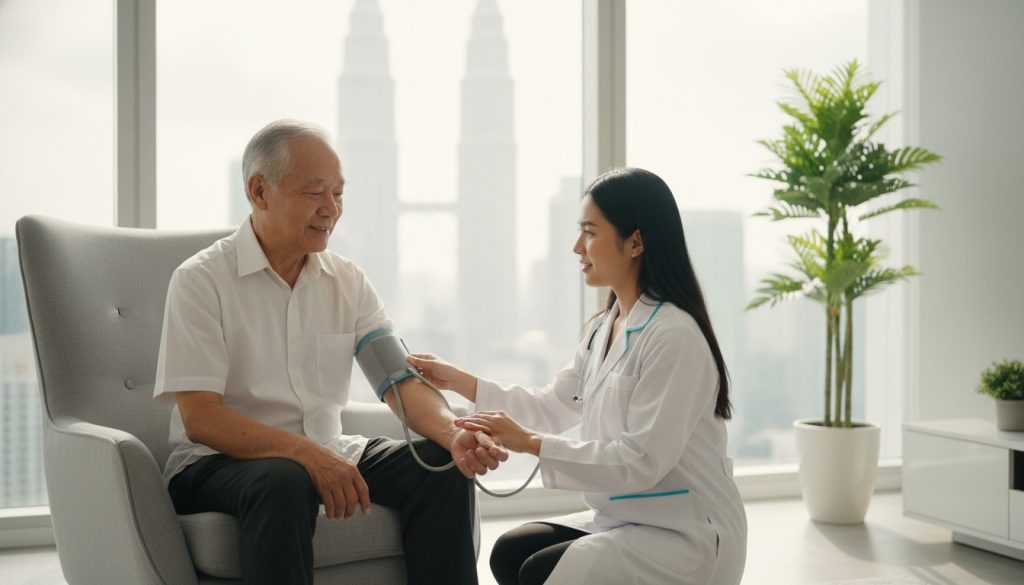
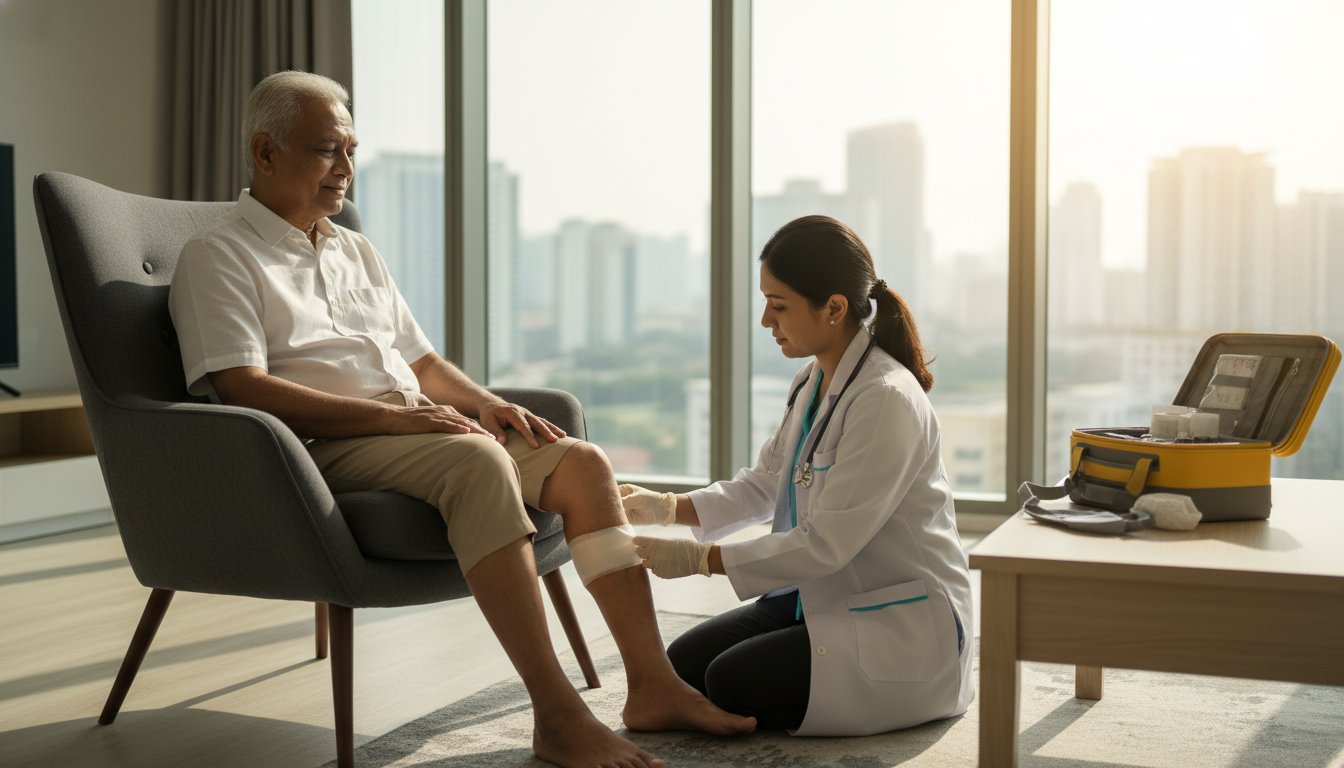
Imagine the quiet anxiety of watching a loved one wince during a bandage change, or the nagging doubt of whether a surgical site is healing correctly. For many families in Kuala Lumpur and Selangor, the struggle isn’t just the injury itself. It’s the physical and emotional toll of transporting an immobile patient to a clinic for routine wound care & dressing. This logistical hurdle often adds unnecessary pain and stress to an already difficult recovery journey.
You shouldn’t have to choose between clinical excellence and the comfort of your own home. We believe the best environment for healing is where a patient feels most secure, provided the medical standards remain uncompromising. This guide explains how professional home-based management utilizes the latest 2026 Ministry of Health aseptic techniques to accelerate recovery and prevent complications. We’ll explore how specialized nursing care provides peace of mind, ensures faster wound closure, and keeps your family safe from the risks of hospital readmission without ever leaving your front door.
Key Takeaways
- Understand the “Moist Wound Healing” principle and why maintaining a balanced environment is superior to traditional scabbing in 2026.
- Learn how professional wound care & dressing integrates sterile debridement and clinical assessment to prevent underlying complications.
- Identify the right dressing materials for your specific needs by matching moisture levels with high-performance antimicrobial options.
- Discover the advantage of a physician-led home assessment to bridge the gap between hospital discharge and domestic comfort.
- Master the signs of healthy healing versus infection to ensure peace of mind and faster wound closure for your loved ones.
Professional Wound Care & Dressing: Why Sterile Technique Matters
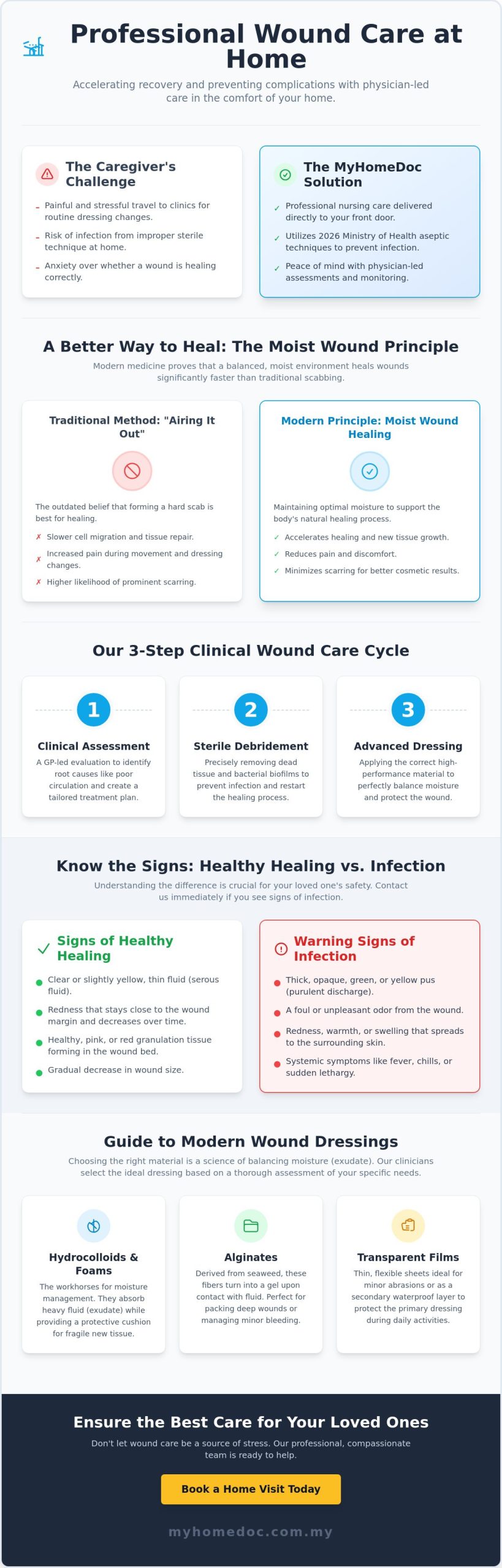
Professional wound care & dressing is a specialized medical procedure that extends far beyond simply covering a cut. In a clinical setting, it involves a precise three-step cycle: thorough assessment, sterile debridement to remove dead tissue, and the application of advanced materials. While traditional wisdom once suggested letting a wound “air out” to form a scab, modern medical standards in 2026 prioritize the Moist Wound Healing principle. Keeping the wound bed at an optimal moisture level allows cells to migrate and repair tissue significantly faster. You can find more details on these essential principles in this comprehensive guide to medical dressings.
When dressing changes are handled without professional oversight, the risk of biofilm formation increases. Biofilms are microscopic colonies of bacteria that shield themselves from antibiotics, often stalling the healing process for weeks. Improper technique can also lead to maceration, where the surrounding skin becomes too wet and breaks down, or even systemic sepsis. This is why a GP-led assessment is vital. A doctor can identify if poor circulation or underlying health conditions are preventing the wound from closing, ensuring the treatment plan addresses the root cause rather than just the surface.
Common Wounds Requiring Clinical Management at Home
Many patients transitioning from hospital to home in Selangor require ongoing support for complex injuries. Post-surgical incisions often involve staples or sutures that need sterile monitoring to prevent dehiscence. For those managing chronic conditions, specialized diabetic foot ulcer care is essential to prevent infections that could lead to amputation. Similarly, effective bedsore treatment at home focuses on pressure offloading and keeping skin integrity intact for elderly or immobile patients.
Signs of Infection Every Caregiver in KL Should Know
Understanding the difference between normal healing and a brewing infection is crucial for safety. Redness spreading beyond the wound margin or a foul odour are immediate triggers for a professional medical house call. While clear or slightly yellow fluid, known as serous fluid, is often a normal part of the inflammatory phase, thick, opaque, or green pus indicates a purulent infection. If your loved one develops a fever or sudden lethargy, the local wound issue may have become systemic, requiring urgent intervention.
Comparing Modern Wound Dressings: Choosing the Right Material
Selecting the right material for recovery is a science of balance. No single “best” bandage exists because every injury has a unique personality and moisture level, technically known as exudate. If a wound is too dry, healing stalls; if it’s too wet, the surrounding skin can become waterlogged and break down. While high-tech materials like silver-impregnated or medical-grade honey dressings are vital for managing bacteria, they are only as effective as the cleaning process that precedes them. Think of the material as the secondary treatment. The primary treatment is the clinical irrigation and assessment performed during a professional wound care & dressing visit.
Patience is also a critical component of the healing rhythm. You might feel the urge to check the wound daily, but changing a dressing too frequently can actually delay progress. Every time a dressing is removed, the wound bed temperature drops and delicate new cells are disturbed. Professional guidance ensures you change the material only when necessary to maintain the optimal biological environment.
A Guide to Dressing Categories and Their Uses
- Hydrocolloids and Foams: These are the workhorses of moisture management. They absorb heavy fluid while providing a cushioned barrier that protects fragile new tissue from external pressure.
- Alginates: Derived from seaweed, these highly absorbent fibers turn into a gel when they touch wound fluid. They are perfect for “packing” deep cavities or managing wounds that tend to bleed.
- Transparent Films: These thin, flexible sheets are ideal for minor abrasions or as a protective layer to keep your primary wound dressing waterproof during daily activities.
Factors That Influence Dressing Selection
Our clinicians look beyond the surface when choosing materials. The wound’s location is a primary factor. Joints or high-friction areas like the sacrum require specialized adhesives that move with the body without peeling. We also prioritize skin sensitivity, especially for elderly patients with paper-thin skin, to avoid “adhesive trauma” during removal. Finally, the selection evolves with the “Healing Phase.” A wound in the early inflammatory stage needs aggressive moisture control, while a wound in the proliferative stage requires a different approach to support new tissue growth.
Professional Home Nursing for Wound Management in Kuala Lumpur
MyHomeDoc acts as a vital bridge between high-stakes hospital environments and the sanctuary of your home in Selangor. We understand that the first step to successful healing is a clear medical roadmap. This is why having a house call doctor kuala lumpur perform the initial assessment is so beneficial. They don’t just look at the wound surface; they evaluate your overall health, circulation, and nutritional status to ensure the recovery plan is holistic. For families in Ampang, Puchong, and Petaling Jaya, this service eliminates the trauma of painful ambulance transfers or long waits in clinic hallways for a simple wound care & dressing procedure.
We view health management as a collaborative journey. While our professionals handle the clinical heavy lifting, we empower you by providing training on basic hygiene and monitoring between visits. This high-touch service ensures you feel guided and supported every step of the way, turning a stressful medical necessity into a manageable part of your daily routine.
The MyHomeDoc Clinical Approach to Wound Care
- Step 1: Comprehensive Assessment. We evaluate the patient’s nutritional status and mobility. These factors are the engines of recovery, and addressing them prevents wounds from becoming chronic.
- Step 2: Pain-Managed Debridement. Using sterile irrigation and gentle techniques, we remove debris and bacteria to create a clean foundation for new tissue growth.
- Step 3: Advanced Dressing Application. We apply specialized materials tailored to the specific wound type, whether it’s a post-surgical site or a complex pressure injury.
How to Arrange a Professional Dressing Change in the Klang Valley
Urgent concerns don’t follow a 9-to-5 schedule. Whether you’re in Seri Kembangan or Cheras, we provide 24/7 availability for urgent wound concerns to ensure you’re never left without support. Our booking process is designed for speed; a qualified GP or nurse is dispatched directly to your doorstep to provide immediate, professional intervention. Professional home nursing services selangor ensure that even the most complex chronic wounds receive specialist attention without the stress of a hospital commute. This modern approach to wound care & dressing brings the clinic to you, prioritizing your peace of mind and physical well-being simultaneously.
Take the Next Step Toward Confident Healing
Effective recovery is built on the foundation of clinical precision and the peace of mind that only a familiar environment can provide. By prioritizing sterile techniques and selecting advanced materials tailored to your specific needs, you ensure that the healing process remains on track. Professional wound care & dressing transforms a complex medical necessity into a seamless part of your daily life, removing the physical and emotional barriers of hospital commutes.
Managed by Advanced Medical Healthcare Sdn. Bhd., MyHomeDoc has been a reliable partner for families across Kuala Lumpur and Selangor since 2018. Our qualified GPs and specialist house calls are available 24/7 to support your journey, providing expert assessment and compassionate care right at your bedside. You deserve a recovery process that respects your comfort and your time without compromising on medical standards.
Don’t let the uncertainty of home recovery weigh on your family. Book a Professional Wound Care House Call in KL & Selangor today and let us help you bridge the gap between clinical diagnostics and domestic well-being. We’re here to guide you every step of the way toward a faster, safer closure.
Frequently Asked Questions
How often should a professional wound dressing be changed?
Most professional dressings are designed to stay in place for two to three days, though this depends entirely on the wound’s moisture levels. Our clinicians monitor the fluid output to determine the perfect rhythm for your recovery. Changing it too frequently can actually drop the wound bed temperature and stall healing. We always aim for the balance that supports tissue growth without allowing moisture to damage the surrounding skin.
Can I shower with a wound dressing on?
You can shower only if your wound is protected by a waterproof, transparent film layer. If your current material consists of absorbent foam or gauze without a seal, it must stay completely dry to prevent bacteria from entering through the damp fibers. We often use specialized waterproof covers for our patients in Kuala Lumpur to ensure they can maintain their daily hygiene routines without risking a setback.
Is it normal for a wound to smell slightly when changing the dressing?
A mild, stale scent is often normal when removing a dressing because of trapped fluid and old skin cells. However, a strong, pungent, or foul odour is a significant red flag for infection. If the smell is accompanied by spreading redness or green discharge, it is time to call our house call team for a professional assessment. We help you distinguish between expected healing scents and clinical concerns.
What is the difference between a bandage and a dressing?
A dressing is the primary material that makes direct contact with the wound bed to promote healing and manage moisture. In contrast, a bandage is the secondary layer used to provide pressure, support, or simply to hold the dressing in place. Understanding this difference helps you communicate more effectively with your care team during a wound care & dressing session at home.
Does MyHomeDoc provide wound care for diabetic foot ulcers in Petaling Jaya?
Yes, MyHomeDoc provides specialized care for diabetic foot ulcers throughout Petaling Jaya and the wider Klang Valley. Our mobile teams are equipped with the tools needed for pressure offloading and sterile management in the comfort of your living room. We focus on preventing complications like deep-tissue infections, ensuring that patients with mobility challenges receive hospital-grade attention without the stress of travel.
Can a home doctor perform wound debridement?
A qualified home doctor can safely perform wound debridement during a house call. This process involves removing dead or infected tissue to clear the path for healthy new skin. Our GPs use sterile instruments and pain-management techniques to ensure the procedure is comfortable and effective. By performing this at home, we reduce the risk of cross-contamination often found in busy clinical environments while accelerating your overall recovery.